Building the Outstanding Custom Fruit and Vegetable Boxes: A Detailed Tutorial
Building specialized fruit and vegetable boxes demands a calculated approach. Specialists must examine sustainability, functionality, and aesthetics. Selecting the right materials is vital for maintaining freshness and supporting eco-friendly methods. Furthermore, dimensions and shape can significantly impact ease of use and shipping effectiveness. Effective graphics enhance company recognition, while thorough assessment guarantees durability. Understanding these elements will reveal key understanding into producing standout container strategies that resonate with customers. What follows is fundamental to achieving those targets.
Choosing the Right Materials for Custom Produce Boxes
When choosing materials for custom produce boxes, it is vital to evaluate both performance and sustainability. The choice of material greatly affects the box's longevity, weight, and capacity to protect the contents. Common materials consist of corrugated cardboard, which offers strength and is recyclable, making it a popular choice for environmentally aware businesses. Biodegradable options, such as molded pulp or plant-based plastics, also align with environmentally friendly practices while providing adequate protection for delicate produce.
Additionally, moisture protection is vital for keeping freshness intact, moving some producers to consider specially processed substances or specialized coatings. The visual character of the box must not be ignored, as branding and visual presentation can shape customer attitudes. Ultimately, the suitable material should maintain equilibrium between preserving the goods, appealing to customers, and complying with sustainability guidelines, ensuring both functionality and sustainability are prioritized to the creation phase.
How to Select Size and Shape for Performance?
When choosing the size and shape of custom produce boxes, thorough evaluation of produce measurements is essential for effective storage. Additionally, considerations for movement and transportation can impact the box design, ensuring ease of movement. Maximizing shelf space usage further enhances functionality, enabling effective presentation and organization.
Evaluate Produce Dimensions Carefully
Selecting the right size and shape for produce boxes is crucial for functionality and efficiency. Accurate assessment of produce dimensions is vital, as it ensures that items fit securely without excess space that could lead to damage during storage or transport. Custom boxes need to handle different forms, from delicate berries to large produce, while maintaining physical strength. Additionally, the height and width of the boxes should enable proper arrangement and storage, optimizing space in warehouse facilities. A well-designed box not only protects the produce but also improves visual appeal for consumers. Ultimately, careful consideration of dimensions helps achieve reducing waste and enhancing overall user experience in the supply chain.
Examine Handling and Transport Practices
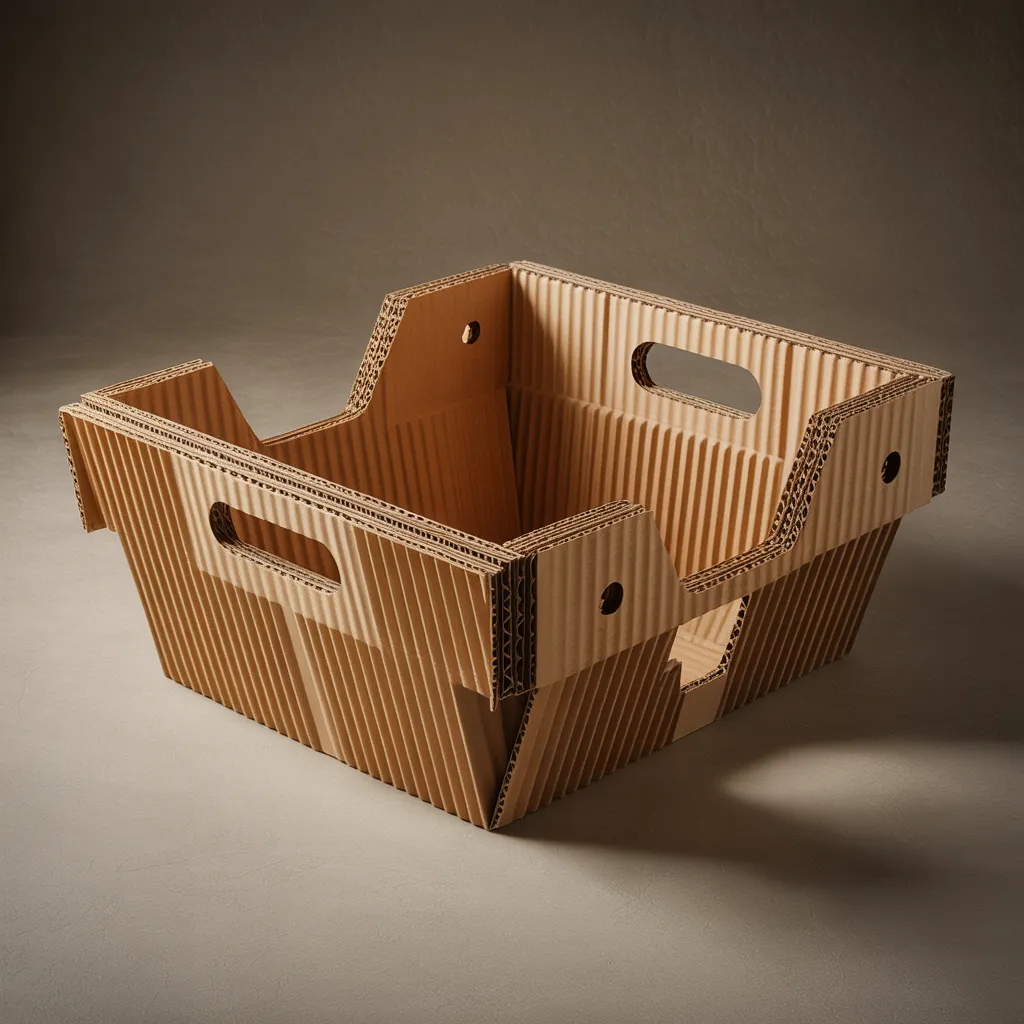
Handling and transport considerations play a significant role in ascertaining the suitable size and shape of tailored produce boxes. The proportions should accommodate the items without excessive room, this would result in movement and deterioration throughout transport. Smaller, compact boxes facilitate easier care, whereas larger boxes could be vital for oversized goods. Additionally, proper ergonomics is essential; grip areas or openings should be positioned deliberately situated so as to allow for comfortable hoisting combined with carrying. The shape of the packaging also affects nesting and balance, confirming where items remain protected. In conclusion, thoughtful review pertaining to such factors enhances the efficiency in shipping, lessens product loss, and preserves the comprehensive integrity of the agricultural goods commencing at farm to purchaser.
Optimize Shelf Space Utilization
Effective shelf space usage is based on establishing the fitting form and dimensions of purpose-built produce boxes. Developers should factor in the layout specifications of the storage shelves as well as the types of produce being positioned. Rectangular boxes often solidify space optimization, allowing for easier arrangement and stacking. By contrast, nonstandard shapes can amplify visual appeal but may lead towards unutilized gaps if not thoroughly considered.
It's vital to assess the merchandise movement rate; products with slower velocity might benefit from compact, readily accessible boxes. In addition, incorporating flexible or customizable structures can accommodate multiple produce sizes while refining display organization. By centering on visual appeal combined with practicality, retailers can establish a functional and visually striking display that enhances both ease of access and promotional impact.
How to Produce Images That Draw Focus?
Engaging graphics can transform a basic custom produce box into a visual masterpiece that attracts attention. To achieve this, designers should start by selecting a color scheme that reflects the freshness and energy of the produce. Bright, eye-catching colors can inspire feelings of freshness and health, driving consumers to take a second glance.
Strong typefaces remains crucial; readable typefaces can adeptly convey vital details while amplifying visual appeal. Furthermore, using excellent images of the produce can establish instant connection, showcasing the item's worth and enticing potential buyers.
Furthermore, adding distinctive designs and visuals can help distinguish the brand in a competitive market. Uniformity in visual components, such as logos and taglines, strengthens brand identity. Ultimately, a blend of innovation and precision in graphic design can greatly enhance the impact of custom produce boxes, making them stand out on shelves.
Eco-Friendly Practices for Custom Produce Box Wrapping
A mounting number of businesses are taking up eco-friendly practices for custom produce box packaging, appreciating its importance in today's environmentally conscious market. These protocols often incorporate the use of biodegradable materials, such as recycled paper and plant-based plastics, which curtail environmental impact. Companies are also focusing on conscientious sourcing, ensuring that materials are obtained from responsibly managed forests or suppliers who prioritize environmental stewardship.
Additionally, many brands are choosing minimalistic designs that reduce waste while still effectively showcasing their products. This approach not only attracts environmentally aware consumers but also aids in lowering production costs. Moreover, businesses are progressively adopting efficient manufacturing processes that restrict energy consumption and waste generation. By incorporating these eco-friendly practices, companies not only improve their brand image but also contribute positively to the planet, aligning their operations with a sustainable future.
Assess Your Custom Produce Box Design
Testing the layout of personalized vegetable containers is an refer to resource crucial step in ensuring they meet both aesthetic and practical requirements. This procedure usually includes assessing factors such as durability, dimensions, and usability. First, prototypes must be developed to evaluate the box's structural integrity, making certain it can withstand shipping and storage without compromising the contents.
Subsequently, functional tests can be initiated to establish how easily the boxes can be opened, closed, and stacked. Input from end users can be vital in this stage, imparting insights into the box's practical value.
Furthermore, the aesthetic quality of the design should be evaluated through focus groups or surveys, measuring consumer reactions to brand components, color schemes, and overall presentation.
In the end, rigorous testing enables designers to improve the box, ensuring it not only attracts customers but also adequately protects and displays the produce within, achieving the right equilibrium between form and function.
Promoting Your Tailored Produce Boxes Effectively
Successful promotion of personalized vegetable containers demands a well-planned strategy that emphasizes their unique features and benefits. Businesses should concentrate on identifying their target audience, whether they are local farms, grocery stores, or individual consumers. Leveraging social networking sites can amplify market visibility, showcasing the boxes' appearance and functionality through compelling visuals and storytelling.
Furthermore, teaming up with community leaders and farm operators can boost credibility and widen reach. Presenting promotions or discounts during high-demand periods can bring in initial clients and stimulate repeat business.
Additionally, emphasizing sustainability and eco-friendliness in marketing materials can appeal to eco-aware buyers. Providing detailed information about material composition and the benefits of custom packaging can further differentiate the product in a competitive market.
Ultimately, a comprehensive advertising plan that combines digital and local efforts will successfully promote custom produce boxes, appealing to a heterogeneous clientele and generating sales.
Frequently Asked Questions
What Expenses are Involved in Custom Produce Box Customization?
Expenses tied to custom produce box design cover supplies, printing services, labor, and shipping. Furthermore, creative design and minimum order quantities can influence total expenses, causing fluctuating prices based on particular specifications and scale of production.
What Duration Is Required to Manufacture Custom Boxes?
Crafting customized boxes normally takes two to six weeks. Determinants that influence this timeline include design complexity, materials sourcing, and production capability, each of which might impact delivery schedules and lead times.
May I Purchase a Compact Quantity of Custom Produce Boxes?
Yes, modest amounts of custom produce boxes can typically be ordered. Many vendors offer base order requirements, enabling businesses or individuals to obtain customized packaging options without having to pledge to large amounts initially.
What Common Mistakes Must Be Prevented in Custom Box Design?
Frequent errors in custom box design encompass neglecting functionality, disregarding brand consistency, underestimating material quality, not considering target audience preferences, and disregarding environmental impact. Each aspect is essential for effective packaging and customer satisfaction.
How Do I Verify My Boxes Are Food Safe?
To ensure boxes are food-safe, one must select materials approved for food contact, avoid dangerous inks and adhesives, maintain cleanliness during production, and regularly test for compliance with health regulations and safety standards.